
The thrill of risk-taking
The excitement of taking risks often draws individuals to gambling. At the core of this thrill is the human instinct for adventure and the rush of adrenaline that accompanies uncertainty. When people place a bet, they are not merely wagering money; they are engaging in a psychological interplay between hope and fear. The unpredictability of outcomes stimulates the brain’s reward system, triggering feelings of euphoria when luck strikes and disappointment when it doesn’t. Many players choose platforms like MCW Casinos for their variety of games, which can enhance this emotional rollercoaster and provide an opportunity to relive that intense adrenaline rush.
Furthermore, many gamblers are motivated by the potential for substantial rewards. The prospect of winning big can create a sense of optimism that overshadows the inherent risks involved. For instance, someone might enter a gambling venue with a specific budget, envisioning how their life could change if they hit the jackpot. This hopeful mentality plays a significant role in the allure of gambling, prompting individuals to chase that life-altering moment—the idea that fortune could smile upon them at any moment.
Moreover, risk-taking is often linked to personality traits. Individuals with a higher tolerance for risk may find gambling more appealing. Studies suggest that these individuals may seek thrilling experiences as a means of coping with life’s monotony or as a form of escapism. In today’s fast-paced society, where routine can sometimes feel stifling, gambling becomes a way to break free and experience life on the edge. This psychological need for excitement and novelty explains why many are drawn to the gamble, even when the odds may not be in their favor.
The power of social interaction
Gambling often serves as a social activity, providing opportunities for connection and camaraderie among friends and peers. Many people enjoy the festive atmosphere of gambling venues, where the excitement of group betting amplifies the overall experience. Engaging in gambling with others can create a sense of belonging and shared purpose, enhancing the thrill of the activity. The act of placing bets together fosters teamwork and mutual support, leading to exhilarating social interactions that can deepen friendships.
In addition to the camaraderie found in group settings, gambling can also serve as a conversation starter among strangers. Many individuals feel a sense of anonymity in gambling establishments, allowing them to strike up conversations with fellow gamblers. The shared interest in games like poker or blackjack breaks down barriers, enabling people to forge connections based on mutual interests. This social aspect significantly contributes to the overall enjoyment of gambling, as the interactions can be just as rewarding as the games themselves.
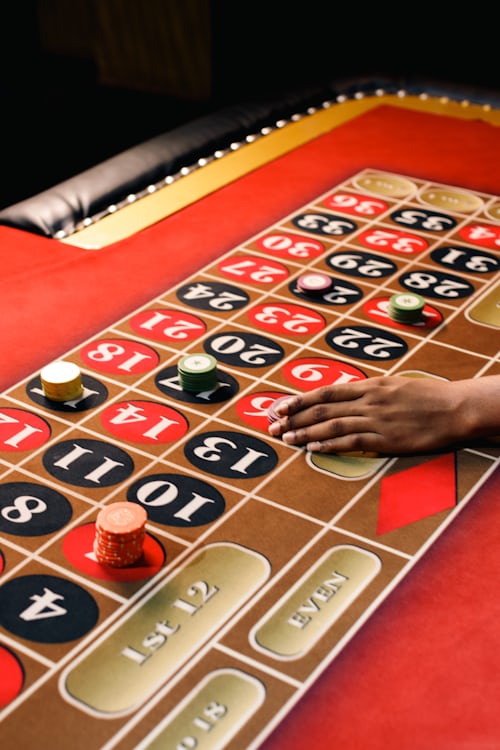
Furthermore, the social dynamics of gambling often lead to shared narratives as players discuss their strategies, victories, and losses. This storytelling element adds depth to the gambling experience, making it memorable and engaging. By exchanging personal anecdotes, gamblers create a community around their shared interests while reinforcing the emotional highs and lows of their experiences. The relationships that form through this activity can provide a support network for both casual and serious gamblers, further deepening the psychological impact of their gambling experiences.
The allure of escape
Gambling serves as a popular means of escape for many individuals. In moments of stress or dissatisfaction with life, people often seek solace in the unpredictability of games, which momentarily distracts them from their problems. By immersing oneself in the thrill of gambling, individuals can temporarily forget their challenges and dive into a world where fortunes can change in an instant. This captivating aspect of gambling makes it an attractive option for those seeking relief from the monotony of everyday life.
Moreover, the environment of a casino or gambling venue is specifically designed to facilitate escapism. The vibrant lights, engaging sounds, and bustling atmosphere create an immersive experience that pulls players away from their daily realities. These sensory elements are crafted to heighten emotions and engage gamblers, coaxing them into a state of excitement where they can forget their worries. This ability to gain respite from life’s pressures through gambling explains its enduring appeal across diverse populations.
However, it is crucial to recognize that while escapism can provide temporary relief, it can also have negative consequences if relied upon too heavily. For some individuals, the line between healthy distraction and harmful addiction can blur, leading to a cycle of chasing losses to regain that initial thrill. Understanding this complex relationship with escapism is vital for recognizing when gambling is a welcome distraction or when it may signal deeper emotional issues that require attention and support.
The influence of cognitive biases
Human psychology is rife with cognitive biases that can significantly influence gambling behavior. One such bias is the illusion of control, which leads many individuals to believe they can influence random outcomes, especially in games of chance. This belief can be dangerous, as it may encourage them to gamble more, convinced that their decisions can sway results. Players often partake in various strategies, even in games governed purely by luck, contributing to the misconception that skill plays a role in outcomes.

Loss aversion is another cognitive bias that comes into play in gambling. Many gamblers experience a heightened emotional response to their losses compared to the pleasure derived from wins of equal value. This can create a compulsive cycle where individuals continue to gamble in an attempt to reclaim their losses, often disregarding logic and increasing their stakes in hope of recovering what they’ve lost. These psychological patterns create a complex interplay that can perpetuate gambling behaviors despite the negative repercussions that may ensue.
Additionally, the availability heuristic can impact how people evaluate their gambling experiences. Individuals often remember significant wins or losses more vividly than modest, everyday outcomes. Consequently, they may overestimate their chances of winning or the frequency of large payouts, further fueling their desire to gamble. This cognitive bias can snowball into a cycle of unrealistic expectations, driving individuals back to the game with fervor, fueled by the hope of once again experiencing that exhilarating rush of victory.
Exploring responsible gaming on our platform
As we delve into the psychology behind why we love to gamble, it’s vital to promote an understanding of responsible gaming. Our platform is committed to ensuring that gambling remains a fun and entertaining activity while providing resources for responsible practices. By fostering an environment of awareness, we emphasize the importance of setting limits and recognizing when to step back. We believe that all players should enjoy the thrill of gambling without falling into the trap of addiction.
We offer a variety of tools and information to help individuals understand their gambling habits. Our resources encourage players to reflect on their motivations and behaviors, equipping them with the knowledge to make informed decisions. Through self-assessment questionnaires and tips for maintaining a healthy balance, our platform aims to empower individuals to approach gambling with a mindful attitude, promoting a safer gaming environment for everyone.
In conclusion, understanding the psychology behind gambling is crucial for anyone who participates in this activity. Our website is dedicated to fostering a community that encourages responsible gaming and enjoyment. By creating a space for education and support, we hope to contribute positively to the gambling landscape and empower players to enjoy the experience responsibly while minimizing adverse effects on their lives. It is essential for everyone to recognize the signs of problematic gambling and seek help when needed, ensuring that the thrill of gambling remains a source of entertainment rather than a cause for distress.