
The Thrill of Risk and Reward
The allure of high-stakes casino games is deeply rooted in the psychology of risk-taking. When players engage in these games, they often experience a rush of adrenaline that can lead to heightened emotions and excitement. This response is influenced by dopamine, a neurotransmitter that plays a significant role in the reward pathway of the brain. The anticipation of winning large sums of money can create a euphoric state, drawing players into a cycle of gambling behavior, particularly with football betting sites not on gamstop enticing them further.

Moreover, the potential for substantial financial gain at stake can distort a player’s perception of risk. High-stakes environments amplify this feeling, making risks seem worthwhile despite the odds. This interplay between excitement and the chance of loss can lead to problematic gambling habits, as individuals may chase losses or overestimate their chances of winning.
The Role of Cognitive Biases
Cognitive biases significantly impact how players perceive and engage with high-stakes casino games. One common bias is the illusion of control, where gamblers believe they can influence the outcome of a game based on their strategies or choices. This belief can be particularly pronounced in games like poker, where skill and strategy play a role but are inherently still games of chance.
Additionally, confirmation bias can lead players to remember their wins while forgetting their losses, thus reinforcing their continued participation in high-stakes games. This selective memory can fuel a gambler’s persistence, often resulting in increased bets and riskier behavior.
The Social Aspect of Gambling
The social context in which high-stakes gambling occurs can greatly influence player behavior. Many individuals find that the social environment of a casino enhances their overall experience, allowing them to partake in a communal thrill. The interaction with fellow players and the atmosphere of excitement can create a sense of belonging and camaraderie, which psychologically reinforces their gambling activities.
Furthermore, the presence of onlookers or friends can amplify the stakes, as players may feel pressure to perform or reciprocate social engagement through their gambling choices. This social validation can lead to an increased willingness to take risks, often pushing players toward higher stakes than they would typically consider when gambling alone.
The Impact of Emotional States
Emotional states play a critical role in the decisions made by players in high-stakes casino environments. Many gamblers may turn to casinos as an escape from stress, anxiety, or depression, seeking solace in the thrill of the game. However, these emotional motivations can cloud judgment, leading to impulsive bets and irrational decision-making.
Conversely, positive emotions, such as excitement or happiness, can also influence player behavior at high-stakes games. When individuals are in a good mood, they may be more likely to take risks and engage in betting behavior without fully considering the consequences. This duality of emotional influence emphasizes the complex relationship between feelings and gambling outcomes.
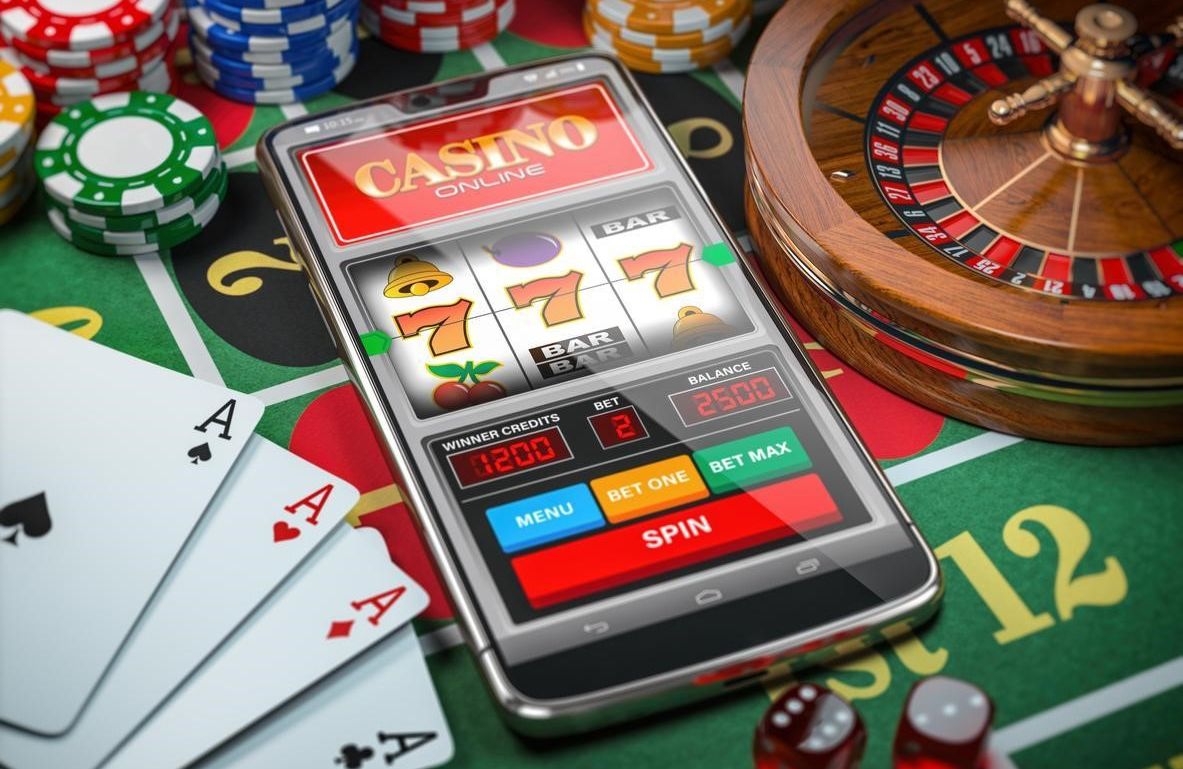
Ensuring a Safe Gambling Experience
As you delve into the psychology of high-stakes casino games, it’s essential to approach gambling with caution and awareness. Our website is dedicated to promoting a safe and secure online gaming environment, providing resources for responsible gambling practices. We encourage players to be mindful of their emotional and financial limits while engaging in these exhilarating games.
Understanding the psychological underpinnings of gambling can empower players to make informed choices. By fostering an appreciation for the thrills and potential pitfalls of high-stakes casino games, we aim to create a community centered on enjoyment, safety, and responsibility within the gaming experience.