
The evolution of gambling A deep dive into the history of азартні ігри and its cultural impact on society PinUp
Origins of Gambling
The origins of gambling can be traced back to ancient civilizations, where games of chance were often integrated into cultural and religious practices. The earliest known gambling activities involved dice, which date back to 3000 BCE in Mesopotamia. These early games served not only as entertainment but also as a means of divination and decision-making within communities. Today, you can explore various options, such as the online casino India real money with secure payment methods, reflecting a modern evolution of these ancient practices.
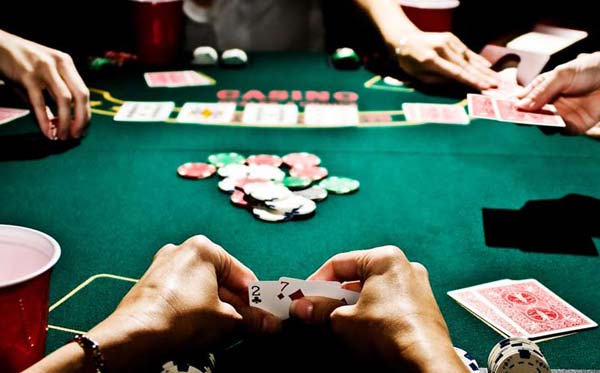
As societies evolved, so did the complexity and organization of gambling activities. Ancient Rome introduced betting on gladiatorial contests and chariot races, while the Chinese developed the game of Pai Gow and various lotteries. This period highlighted the intertwining of gambling with social and political life, showcasing its role in community bonding and economic exchange.
The Rise of Casinos
The formal establishment of casinos began in the 17th century in Italy. The first recognized gambling house, Ridotto, opened its doors in Venice in 1638, providing a regulated environment for gamblers. This marked a significant shift in gambling, moving from informal, local settings to organized establishments designed to cater to a wider audience.
Throughout the 18th and 19th centuries, gambling spread across Europe and the Americas. The establishment of iconic venues like Monte Carlo’s casino transformed the perception of gambling into a glamorous pursuit, attracting the elite and reinforcing its status as a social activity. This era solidified the casino as a key player in the gambling industry, setting the stage for modern gaming establishments.
The Impact of Technology
The 20th century brought unprecedented changes to gambling, particularly with the advent of technology. The introduction of electronic slot machines in the 1960s revolutionized the industry, offering players a new level of excitement and convenience. This technological shift made gambling more accessible, drawing in a diverse range of participants and expanding the market.
With the rise of the internet in the late 1990s, online gambling emerged as a powerful force. Players could now enjoy their favorite games from the comfort of their homes, leading to the proliferation of online casinos. This development not only changed the landscape of gambling but also raised questions about regulation and player safety, prompting authorities to implement legal frameworks to ensure fair play.
The Cultural Significance of Gambling
Gambling has profoundly influenced various aspects of culture, from literature and film to social norms and behaviors. It often serves as a metaphor for risk-taking and the unpredictability of life, a theme that resonates in countless stories and artistic expressions. The portrayal of gambling in popular culture has both glamorized and vilified it, shaping public perception and societal attitudes.
Moreover, gambling can reflect broader societal issues, such as economic disparity and addiction. As communities grapple with these complexities, the cultural impact of gambling continues to evolve, prompting discussions on responsible gaming and the ethical implications of gambling practices. In particular, the rise of platforms providing resources about online casino India real money with secure payment methods has become crucial in promoting safe gambling habits.
Discover More with PinUp
PinUp offers a comprehensive platform for individuals seeking to explore the world of gambling. With insightful articles and expert advice, the website empowers users to make informed decisions, whether they are seasoned gamblers or newcomers. The user-friendly interface ensures easy navigation, providing access to valuable resources tailored to individual needs.
By engaging with the PinUp community, users can unlock a wealth of knowledge and support related to gambling. The platform not only connects individuals but also fosters a deeper understanding of the historical and cultural significance of gambling in society, making it a vital resource in today’s gaming landscape.